

Raising Gen Alpha (ed. 1): Camp Counselor Caitlin
Caitlin, a camp counselor and special education teaching assistant with hands-on experience working directly with Gen Alpha offers an insightful look into the unique characteristics of this generation. In my first “Raising Gen Alpha” piece, Caitlin reflects on her experiences with young students, highlighting the profound impact of technology and media on their development. From navigating the digital landscape and its influence on play to addressing concerns about media literacy and internet safety, Caitlin provides a valuable perspective on the challenges and opportunities of raising the newest generation. Her observations underscore the need for thoughtful approaches to support and understand Gen Alpha in a rapidly evolving world.

1. Could you tell me a little bit about your current job and how you came to be employed there?
I was working as a special education teaching assistant in an elementary school. I [found] the job online. The most education needed was a high school diploma and some experience working with children, so I applied. For the past two months, I’ve been working with one specific autistic student in a first grade general classroom setting, but I’ve also helped out with other autistic students.
2. You also mentioned you used to work as a camp counselor. Could you tell me a bit about that experience?
I’ve worked in camps and after school programs with my local community college from about 2016 to 2018, and then I returned last summer (2023). I was a teenager during my first bout of camps, and I could connect to the kids way easier then. 2016 to 2018 was definitely the last bit of Gen Z. I had to have so much explained to me when I returned for Gen Alpha. I had no idea what ‘skibbidi toilet‘ was or the whole lore with it and TV man. I’m still not 100% sure.
3. How do you feel your childhood differs from this new generation?
The technology usage and the type of media they consume is definitely different; which is something I can even say about younger Gen Z as a self-proclaimed Zillenial. I’ve worked with ages 5 to 13. Up until the fifth grade, my family had a desktop that ran Windows XP and I only used Microsoft Paint, Solitaire, and an educational CD-rom akin to today’s ABC Mouse. If I watched anything, it was on TV and from the four available kids channels. Now, these kids have iPads of their own that their parents kind of monitor. I also read a lot or went outside. I don’t think a lot of these kids are reading or going outside as much because the iPad is at their disposal.
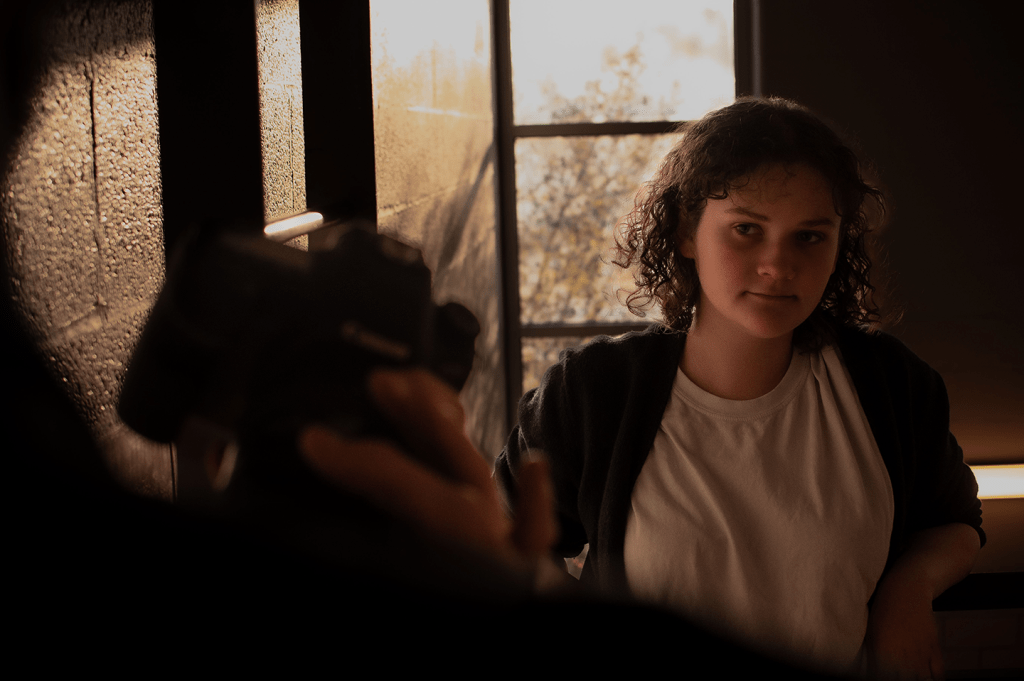
4. What unique attributes have you observed in working with Gen Alpha?
Their play is heavily centered around the media they consume. It’s more Youtube if anything. I’ve said “Hey, what’s up guys” to a group of children and one of them asked why I sounded like a Youtuber. I’ve seen a kid pretend to be a Prime seller, which was wild to me. I’ve seen children play “Mr. Beast,” if that’s even possible. I’ve heard quite a few kids catch themselves up on celebrity gossip. This isn’t necessarily a bad thing–I personally speak in memes and internet slang. However, when it comes to kids replicating what they see and experience through play, things have the potential to get dicey if their internet usage is not closely monitored.
“Already there’s an issue with influencers [and] social media affecting adults’ mental health, but exploiting children to reach this new, untapped demographic that hasn’t learned media literacy is disturbing.”
5. While Gen Alpha is not the first digital native generation, they have grown up in a time where social media and AI are much more interwoven in our culture. How do you feel this has affected their development?
These kids are victims of capitalism! (I’m joking but also not joking.) I’ve noticed a trend of Gen Alpha influencers online and it’s concerning. Already there’s an issue with influencers and the perfection of social media affecting adults’ mental health, but exploiting children to reach this new, untapped demographic that hasn’t learned media literacy is disturbing. I think the whole child influencer thing started with family vlogging channels and those toy channels. With the elimination of online children spaces and the preteen phase–which is also a concern–this content has morphed to children trying to push skincare and cosmetics onto other kids. Not only do these children not understand the harm of putting acids on their skin, but they don’t understand that they don’t need to do that. They don’t need retinol or any product to prevent aging. What’s bad about aging? Do they know that they’re 9 years old and not 30? Also, ads in general are everywhere online. Growing up, the ads I saw were only when I was watching TV, which wasn’t all of the time. These ads were also catered to me, so I saw a lot of ads for toys. Now, especially since kids are online frequently, ads are everywhere. Social media has a good combination of advertisements and paid sponsor content being thrown at children, and not all of it is catered to them. This wave of kids needing Stanley cups is crazy to me. It’s cool that they’re hydrated, but the random water bottle you can get on field day does the same thing.

6. I’ve heard some teachers express how many Gen Alpha students are behind on certain milestones (for example, reading) or exhibit more erratic behavior. Have you or any of your colleagues observed similar trends?
I’ve definitely witnessed this. Some kids just aren’t strong readers, but it’s pretty telling which kids read at home and which don’t. Most can’t even read the directions on their paper. Instead, they have directions recorded for them on their iPads. However, I worked with first graders. What’s crazy is that I’ve heard the same complaints from third grade teachers. I’ve heard that the third graders are coming in with none of the fine motor skills for scissors and writing with a pencil, and that they’re just not reading worksheet directions. When it comes to erratic behavior it ranges from kid to kid; but as someone who started working at the end of the year, there’s a lot of kids just doing what they want regardless of the teacher. Like…
“Are you supposed to get a cup of water from the sink?”
“No.”
“Then why are we doing it?”
Thankfully, I worked in a classroom where the worst thing was that some of the kids felt the need to say every thought they had or sing during quiet time (which is technically normal), but other classrooms had more aggressive kids. Screaming when it wasn’t appropriate (outside and inside), constantly out of their seats, or even trying to fight each other at recess. They’re 7-year-olds, so they don’t really have a reason to throw punches at each other.
7. What are the biggest concerns you have about Gen Alpha?
My biggest concern with this generation is being exposed to the lawlessness of the internet way too young. A few years ago, I watched a TedTalk about how YouTube Kids isn’t totally monitored. A parent could put a video on and walk away thinking their kid is watching something age-appropriate–but the algorithm doesn’t keep tabs like that. Anyone can upload the most questionable video with the keywords “Spiderman” and “Disney” and bypass the YouTube Kids algorithm. Children’s TV programming goes through multiple stages of development and approval in order to appear on a screen; but any schmuck with a camera and basic editing software can upload to YouTube Kids. Then there’s also the issue of adults being in fandom’s surrounding kids networking. I was super into My Little Pony: Friendship is Magic during peak Brony culture. I’ve seen things while just trying to find a picture of Fluttershy. Even with using Google’s safesearch, I still came across things. Parents are putting way too much trust in algorithms to ‘watch’ their kids.
“Gen Alpha is very open-minded…I’ve never seen a bigoted Gen Alpha child.”
8. Do you think there’s anything we can learn from this next generation?
Gen Alpha is very open-minded and nice. Despite their unchecked energy launching into aggression, I’ve never seen a bigoted Gen Alpha child. Granted, things differ between households when it comes to personal beliefs. However, Gen Alpha wants to be friends with everyone and we could all learn to be like that.

9. What do you think we can do as adults to benefit this next generation?
What we can do as adults is teach them media literacy and internet safety. I wish the answer could be to take away the iPads and reintroduce the family computer, but that’s not feasible or a sure way to keep kids safe. One household could block TikTok while another one is more free range, and we can’t control what happens when we send a kid off to another house. But having discussions about not talking to strangers online, fact-checking information, and when to grab an adult for help is essential.
10. Closing Thoughts…
A lot of what makes me concerned for Gen Alpha is the internet becoming more accessible to younger ages will online children spaces disappear. Even spaces that are supposed to be for children (e.g. Roblox, YouTube Kids) are filled with adults, predatory or not. I think there’s a big disconnect when it comes to Millennials and the role technology actually plays in the lives of Gen Alpha. Millennials did not have a pocket-sized, powerful computer in their hands at 5 or even at 16, so what do they know about the internet today? I’ve seen a discussion online about how Gen Z might be committed to not raising “iPad kids,” and it makes sense considering Gen Z (and younger Millennials) was on Omegle and being groomed on Kik. Obviously, not raising iPad kids is not a simple thing because of how integrated technology is, both at home and at school, but it seems necessary.

Caitlin G.
Camp Counselor; SPED Teaching Assistant
Interviewee
Interested in contributing? I’m looking for people to interview (and, if willing, photograph) who do or have regularly interacted with Gen Alpha (b. 2010 – Present; ages 0-14), whether that be parents, teachers, babysitters, psychologists, siblings, etc. If you are open to participating (or have questions), please fill out the contact form, or shoot me a message at allisonbconnelly@gmail.com.
 A.C. Brooke
Leave a comment