
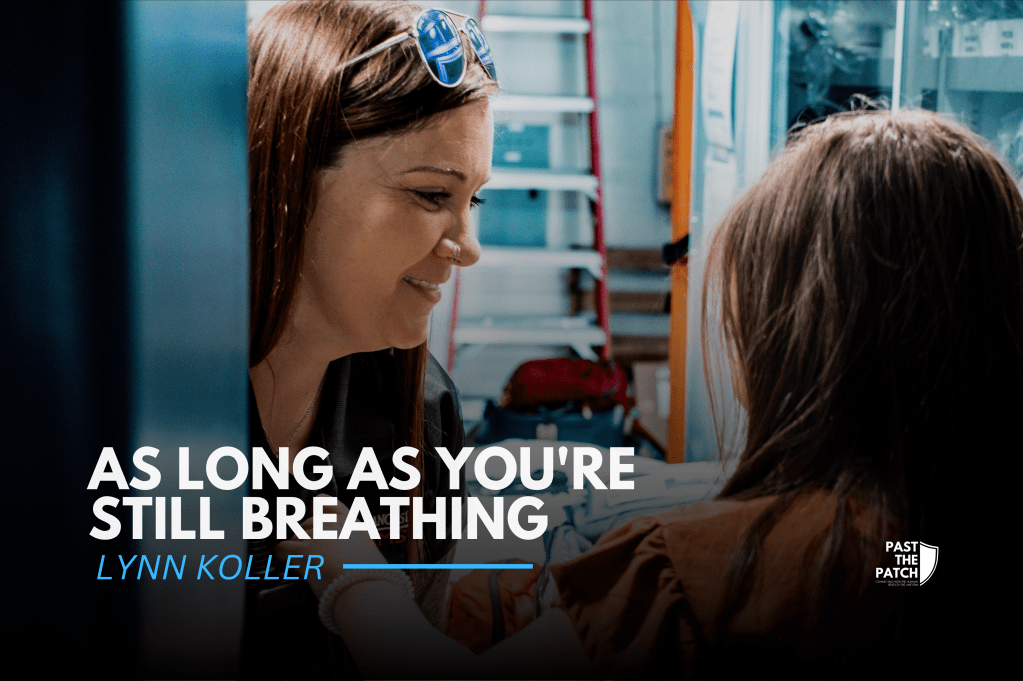
As Long As You’re Still Breathing
SPOTLIGHTING LYNN KOLLER
“I can remember vividly the sounds I heard of crying from all my family, the smell of the old air conditioner running…”
Like many other EMTs, Lynn Koller’s first experience with EMS was, regrettably, on the other side of the ambulance. “My grandmother passed when I was five, and unfortunately that’s my earliest memory as a child.” Helpless, she watched on as first responders worked diligently to save her grandma, Linda. Still just in her late 40s, she had collapsed suddenly at home from a heart attack. Linda, an LPN at a local Veterans’s hospital was well known in the community, but her influence in her own circle was even stronger,“Her and my Tata (Grandfather) were the glue that held our family together. When she passed, a lot of my family dynamic changed.”
And just like that, before stepping foot in a classroom or picking out a sparkly outfit for back to school, Lynn would learn her first life lesson: The world can be a senseless place.

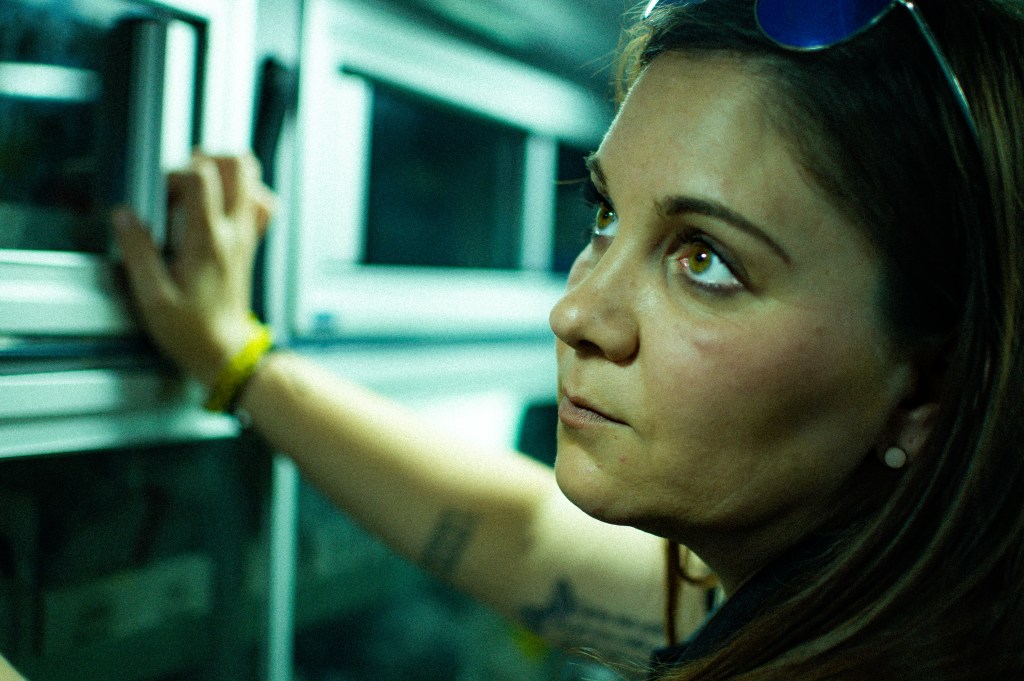
A Slow Spiral
A native to Cecil County, Maryland, Lynn grew up as the eldest of two. But around the same time as her grandmother’s passing, the family of four would become undone in the wake of her parents’ divorce. Lynn’s dad, who had struggled with addiction all his life, was driven further into his sickness while grappling with the ripple affects of his mother-in-law’s death. Over time, the disdain between her mother and father would continue to fester and she found herself feeling like a ‘pawn’ in their games. At seven, Lynn was placed on ADHD medication for her ‘inability to focus’. “Looking back,” she says, “I didn’t need medication, I just needed to be seen, heard, and accepted.”
But upon graduating high school in 2007, it seemed the tide was turning for the better. Lynn applied to work for the Cecil County’s Sheriff Office at their local Detention Center. A year later, just a day following her 19th birthday, she began her career as a Correctional Officer. There, fueled by a desire to make a difference, she watched herself grow as a person, reaching new heights and, seemingly, finding a place in this world. But she was still a young girl looking for guidance, and the mental tax that accompanies working in a prison began to take its toll:
“I can remember at 21 going out drinking with my crew and having to have them drive me home, or times where I can’t remember a thing. In 2014, I ended up losing that career due to my actions with binge drinking and I thought my life was over at that point. All of my ‘Blue Family’ had turned their back on me, I felt alone, lost and unhopeful.”
Lynn Koller

It was a close friend who first pushed her towards change, “Amanda…doesn’t know it, but [she] planted the seed of recovery for me.” On February 10th of that same year, Lynn would attend her first Narcotics Anonymous meeting. There, she discovered something she hadn’t felt in a long time: family.
“I found people like me, people who struggled with wanting to drink daily. People who felt the same abandonment I had felt my entire life. We’re all the same. We all wanted more out of life and we wanted to do it clean and sober.”
Lynn was offered a bed at the Oxford House in Newark, DE, and in April she moved in. For nine months, Lynn was surrounded by comfort and companionship living amongst other women in recovery, “I found accountability on how to pay rent and pay my bills on time, budgeting and, most of all, a place that was safe where we knew we had someone to talk to whenever we may have been down or tempted.” Upon hitting nine months clean, she was offered a position at Bowling Green Brandywine, a treatment center nestled in Chester County, PA. In her two months there, Lynn would cross paths with many people, but none would intertwine with her life so closely as one man: His name was Geoffrey, Geoff for short.

“He was a patient in treatment looking for a new way of life, and I introduced him to my contacts at the Oxford House and he was able to find a bed shortly thereafter.” Over the coming weeks, a close bond began to blossom between the two. There was a connection found in shared hardship, one that only those who’ve grappled with addiction could ever truly know. But soon, what appeared to be a twin flame would prove to be something much more precarious, “Geoff and I ended up in a relationship, and then back into the cycle of addiction. He had relapsed just a month after being in the recovery house and I thought, ‘I could save him!’”
Upon relapsing, Geoff was kicked out of the recovery house and decided to move back home. Lynn, still clinging to the idea that enough love and understanding could save him, followed suit. “That’s the lie I was telling myself for weeks,” until finally, she let the curtains fall on her facade. “I can never forget that day. He had a white powder substance on a mirror of mine, and I just did it. There was no thinking about it–I just did it.” After that, she was hooked, and the cycle begun again.
Half Alive
Lynn became a “functioning addict”, still reporting to her job–now in customer service–but barely getting by. The sickness had begun to eat away at her from the inside out, leaving her financially broke, socially isolated, physically drained and mentally hanging on by a thread. At one point, her mother told her she should have been aborted. “I was lost and abandoned. I didn’t want to live that life anymore.”
After months of pushing her Narcotics Anonymous peers away, Lynn threw her hand out for a lifeline. She was able to connect with some recovery friends and soon, find her way into inpatient rehab at The Retreat of Ephrata. But while the idea of a new life was enticing, it was also hard to come by. Withdrawal was hitting, and it was hitting hard. “I was scared. I knew no one. I was sick,” she recounts, “I felt like my bones were crushing. I had this constant squeezing pain in my abdomen. I couldn’t sleep without medication…I just wanted to go home.”
For the first three days, Lynn only left her bed once to shower; and after only eight days, she would leave treatment altogether against medical advice. “I remember my counselor telling me, ‘If you go back out there, you will die. If not today, then tomorrow or next week.’”
His words, she says, still stick with her today.
After leaving the facility, Lynn and Geoff would move in with her parents in Rising Sun, MD. It was then that life would throw yet another curve ball their way: Lynn was pregnant.
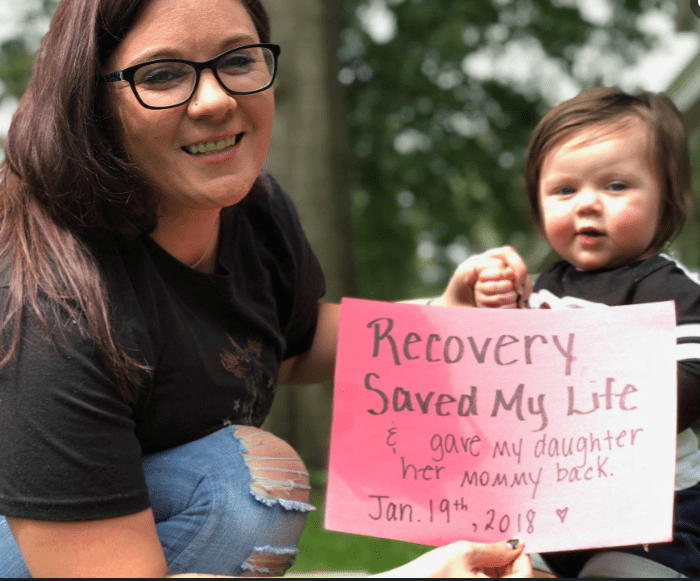
For a while, it seemed the prospect of becoming parents was the wake up call the pair needed to change, and in a way it was: Lynn got clean and Geoff moved back into a recovery house. Lynn spent the duration of her pregnancy bouncing back and forth between her parents’ house and Geoff’s in Honey Brook, PA. Until on June 26th of 2017, little Lea Marie was born at 7 lbs and 4 oz. “She was perfect and I had never felt so much love for someone in this entire world. She was mine, and she needed me.”
But shortly after giving birth, postpartum depression began to set in, “I was tired and exhausted and clean taking care of this perfect little girl,” Lynn wanted to give her daughter more but struggled to find the energy to, and support from Geoff was waning. So for the third time, she fell into relapse.
At first, it appeared using again allowed Lynn to be the parent she wanted to be, “I had the energy to take care of Lea. I was able to keep up with nighttime feedings, laundry and all the new mom things that usually you have a support system to help you with.” But within two weeks, she started slipping into psychosis, “I wasn’t sleeping. I was seeing things, hearing things, and I was numb.” It was then that Geoff reintroduced her to heroin, and thus began the final downward spiral.

“At the end of my using days, I was killing myself slowly.” The pair found themselves living couch to couch with an infant. Lynn became a person that she now struggles to physically or mentally recognize, “I was doing things I never imagined” making trips to Kensington, Philadelphia daily for drugs. Her health was on a rapid decline, losing weight at an unprecedented rate, teeth decaying and her hygiene an afterthought. As another quick fix, she wore makeup to “cover up the trashcan of a person” she felt to be inside, using everyday knowing that the next one could be her last. “Lea did not deserve us.”
But the real wake up call came when her aunt threatened to take her daughter away. It was then, Lynn knew she had to get clean for good: “Losing her would kill me.”
Late one winter night, Lynn dropped Geoff off at an inpatient treatment center in Lancaster, PA. The pair said goodbye and then, with Lea in the backseat, she drove to her mother’s house. She knocked on the door claiming to have the flu. For the next week, Lynn would detox cold turkey, and with the help of her family and friends, finally get sober.

A New Chapter
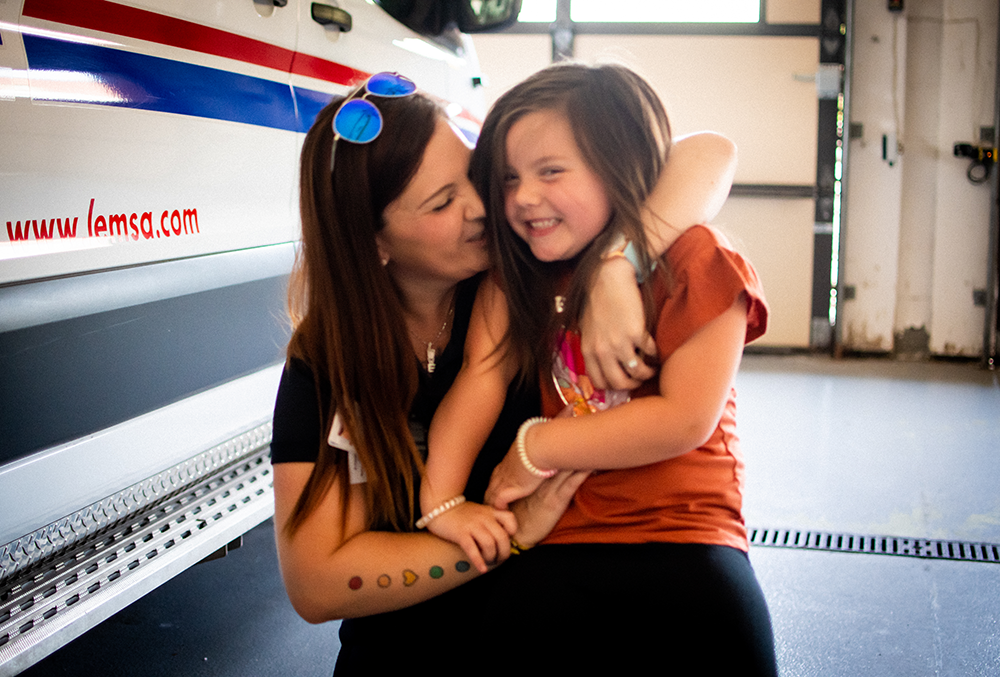
For the next few months Lynn and Lea would live in the “Mommy and Me” Oxford House in Elkton, MD–a place dedicated for recovering mothers and their children. There, Lynn learned how to renter life as a productive member of society and become the parent she knew she could be. She met with a therapist weekly, getting to the root of her addiction and discovering how to identify and handle her triggers. It was also there that she realized she had hid her true sexuality as a lesbian for years, noting she was just with men because no one had ever told her any different. As for Lea, the community home served as the place where she would learn how to walk, talk and celebrate her first birthday.
In the dawn of 2020, Lynn would meet her future wife, Brytani–a former EMT, volunteer firefighter and recovered addict–online. Now married and five and a half years clean, Lynn is continuously compelled to pay forward the compassion she and her daughter received, most notably through her own advocacy.

“A lot of people think that addiction is a choice” During her journey, Lynn witnessed firsthand not only the stigma and misconceptions surrounding substance abuse, but also the inability of our current infrastructure to keep up with the crisis at hand. According to the National Center for Drug Abuse Statistics (NCDAS), of the nearly 139 million Americans aged 12 and over who consume alcohol, about one in five have an alcohol use disorder. In conjunction with that, accidental overdose remains a leading cause of death in the United States, tallying up to about 70,000 deaths annually. “There are never enough resources for those seeking treatment,” she explains, “It took days and sometimes weeks to get one person into treatment, and when an addict actually wants help, you need to act fast because the window of opportunity to get through to the using person is small when they are seeking help.” Additionally, Lynn recognizes how the general public’s simplified perspective of drug abuse being a product of bad choices rather than a disease often triggered by genetics, trauma, financial insecurity and a lack of a healthy support system (among other things) inhibits us from bringing those statistics down. Like those who use, we find ourselves vainly treating the symptoms of a problem rather than getting to its root.
Lynn can attest to this firsthand by revisiting her younger years with new eyes. In addition to her father’s history and the ADHD medication she was prescribed as a child, she also recalls the various drugs she was given to cope with multiple oral surgeries and procedures due to a lack of enamel, “I can remember always having some kind of narcotic bottle with my name on it as a kid,” she says, “Looking back, I was an addict long before I even had a drink or drug. My doctors were handing me amphetamines and opiates long before I even picked it up myself.”
But as she begun her healing journey, Lynn discovered another way to reclaim her agency: In spring of 2022, an advertisement for Lancaster EMS’ EMT Academy popped up on Facebook. The job, she knew, was a chance to give back to her community, and so she began discussing the idea with her wife. With her partner’s support, Lynn decided to pursue the opportunity–but it wouldn’t come easy. “I fought hard to obtain my EMT certification with the federation due to the consequences of my past,” Lynn–like many others in recovery–found herself being haunted by a history she gave everything to overcome; and judged by a society who preached rehabilitation but still had a tendency to look at users as statistics as opposed to real people. Thankfully, she found someone in the education department at Lancaster EMS who had her back, and in the fall, she officially began her career in emergency medicine.


To Know Lynn Koller
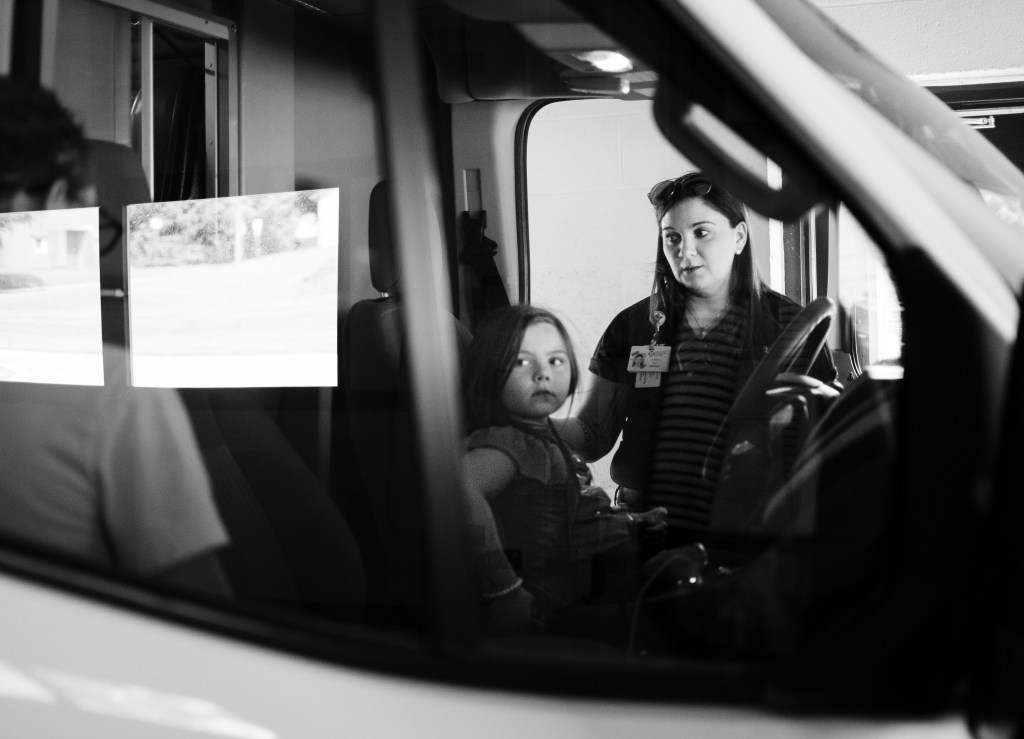
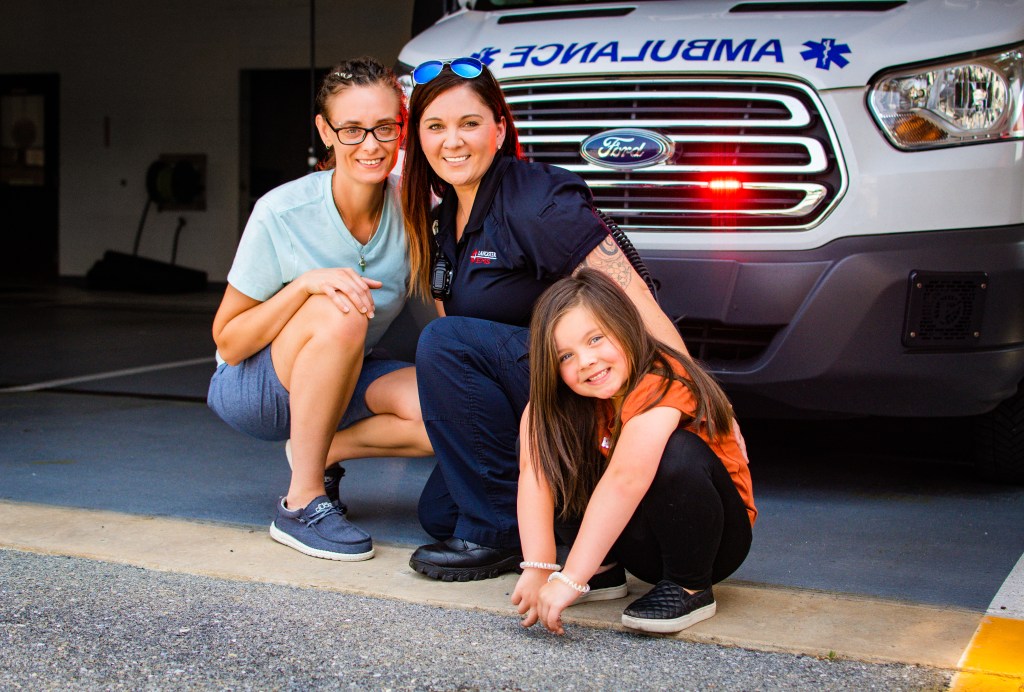
I met Lynn my second week at Lancaster EMS when she was giving a presentation at her daughter’s preschool. Only now writing this do I see the poetic beauty in that. On the ride there, our Director of Education, Rick Pearson–the man who personally advocated for Lynn and her right to be here–told me she was special. In the coming months as I’d get to know Lynn, her story and her passion for helping others, I’d see why.
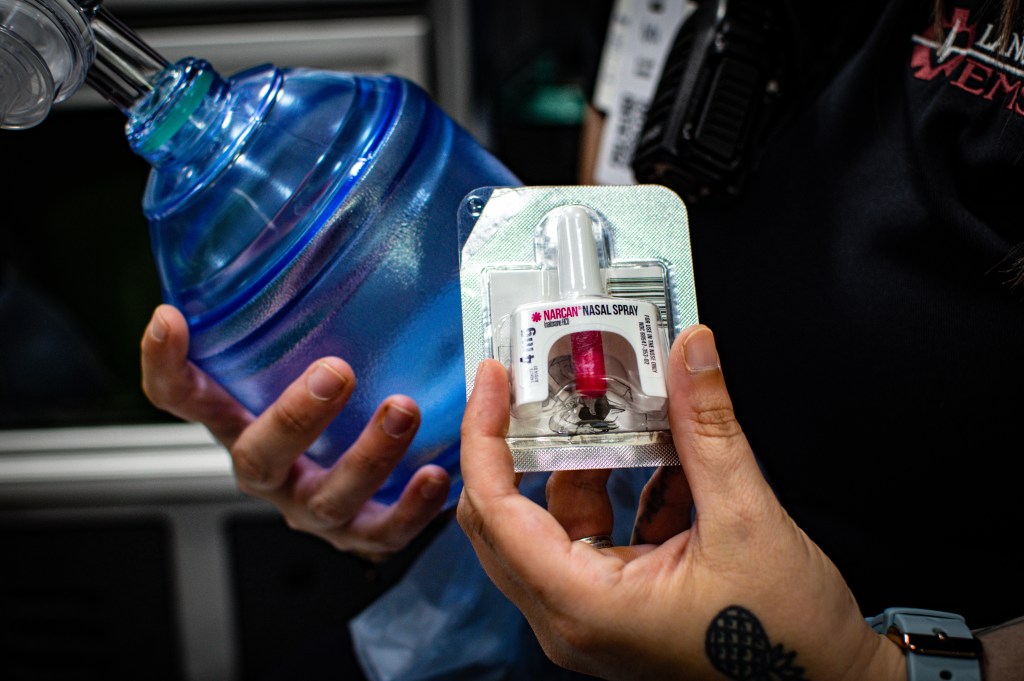
“Being in long term recovery and in EMS isn’t for the weak,” she says. “You have to be strong minded and be able to keep your work at work.” Like many of the county’s paramedics and EMTs, Lynn sees a lot of overdose calls. Unlike some of her coworkers, however, she has a passion influenced by personal experience to accompany her field skills, “All I want to do is help…people are quick to judge an addict rather than lend a hand.”
The fight however, lives on–and it’s not an easy one. A few years ago, just shy of her daughter’s third birthday, Lynn got the message that Geoff had passed away from an accidental overdose, “No one expects it. It’s the last call you ever want to get.” His death served as a reminder of the fragility of life, and how easy it is to lose it to substance abuse. Today, they’re still learning to live with the grief, “Lea is too young to understand why.”

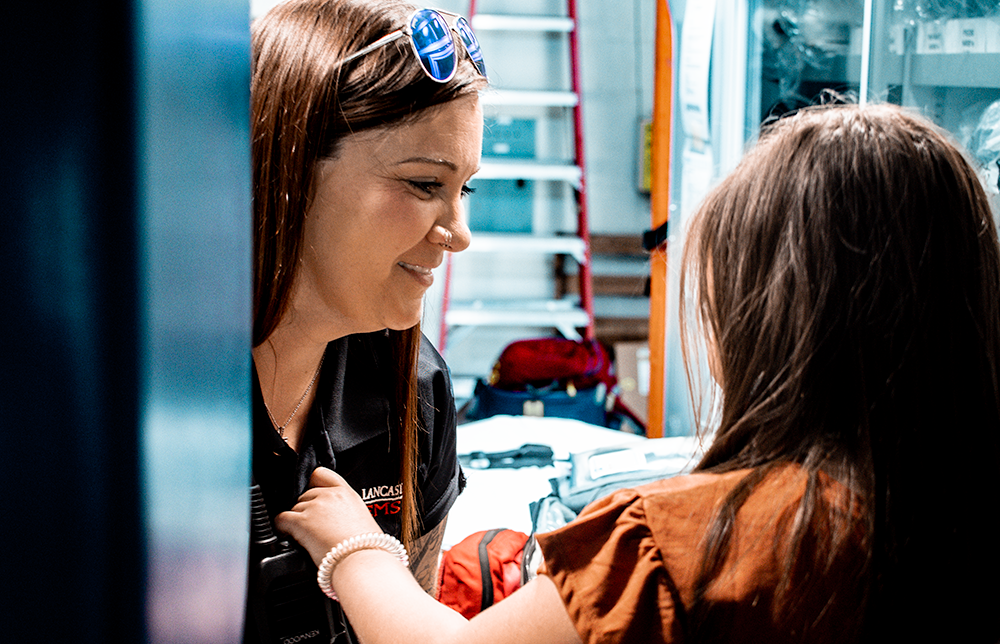
While Lynn still has her hard days, she’s grateful for the support system she’s found, citing her wife as a core part of her ability to do what she does. Not only did Brytani act as a pillar of strength during her time in the academy, but she continues to lighten the load by helping Lynn juggle her “hectic” schedule. Thankfully, this support has been matched in the workplace: “LEMSA has shown me where my family is, where I know that my crew has my back. I definitely have found where I need to be.”
Just recently, Lynn applied and was accepted to work in Lancaster EMS’ Community Paramedicine Program: an innovative model centered around delivering premier preventative care to the residents of Lancaster County. The group works closely with the local homeless population, many of whom struggle with addiction. Lynn, who’s currently in the process of obtaining her Certified Peer Recovery Certificate, will serve as the point of contact for those who’ve overdosed and are looking for assistance. She’s also hoping to implement a harm reduction program that includes HIV testing and safe needle usage. While she’s already found much fulfillment in her work on the trucks, she thinks this role will lead to even more opportunities to connect with those struggling in her community, “As long as the ‘using addict’ still has a heartbeat and is breathing, there will always be H.O.P.E. (Hold On, Pain Ends).”
This upcoming January, Lynn will celebrate her sixth year of sobriety. In September, her and Brytani–who is set to go back to school for phlebotomy in the fall–will observe their third wedding anniversary (the pair wed at Voices of Hope Recovery Center where Lynn first began her sobriety journey years earlier). As for their daughter Lea, she will be entering first grade at Eshleman elementary. One day, Lynn says, her little girl will know how hard her mom fought to stay clean.
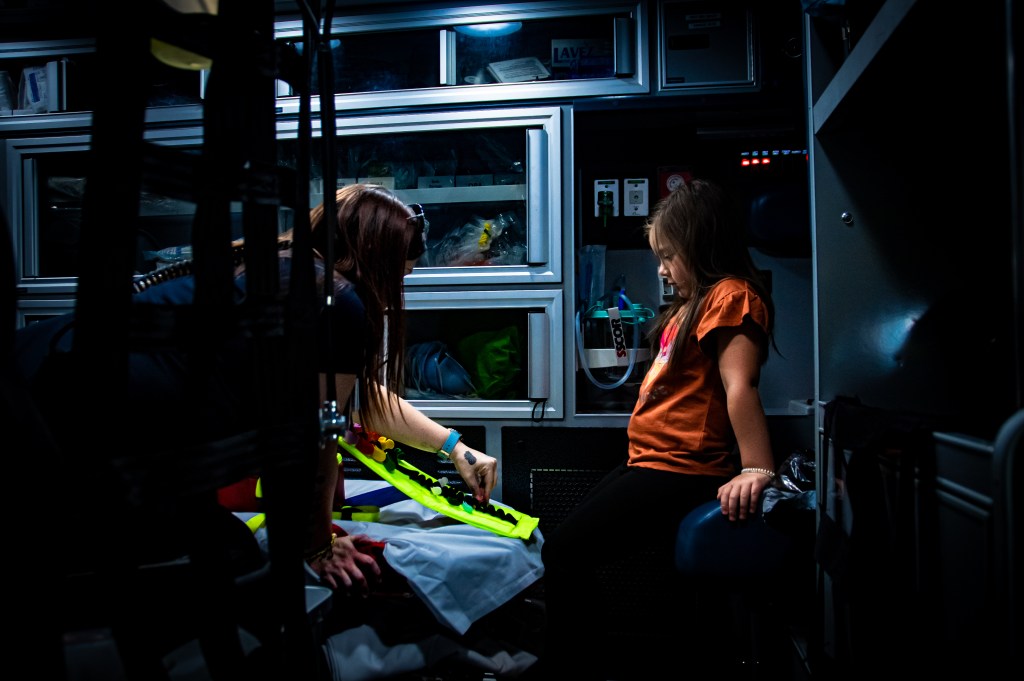
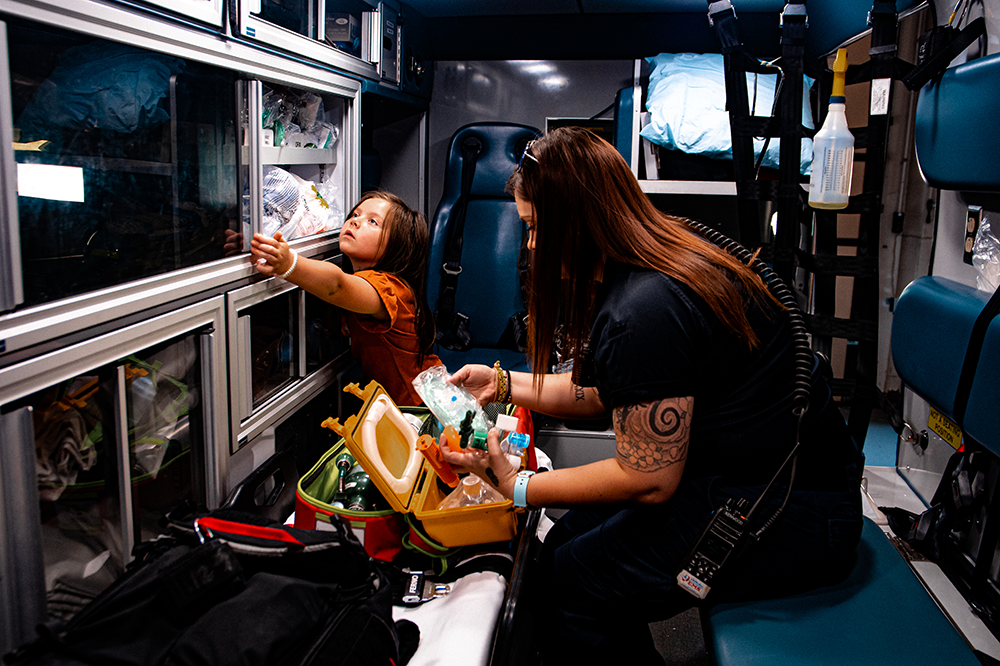
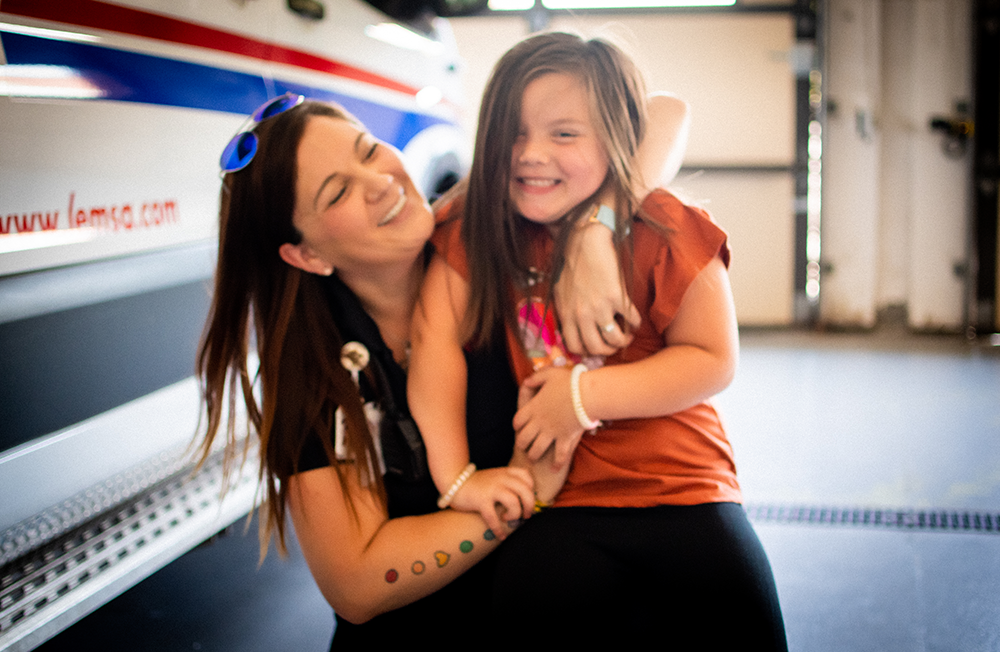
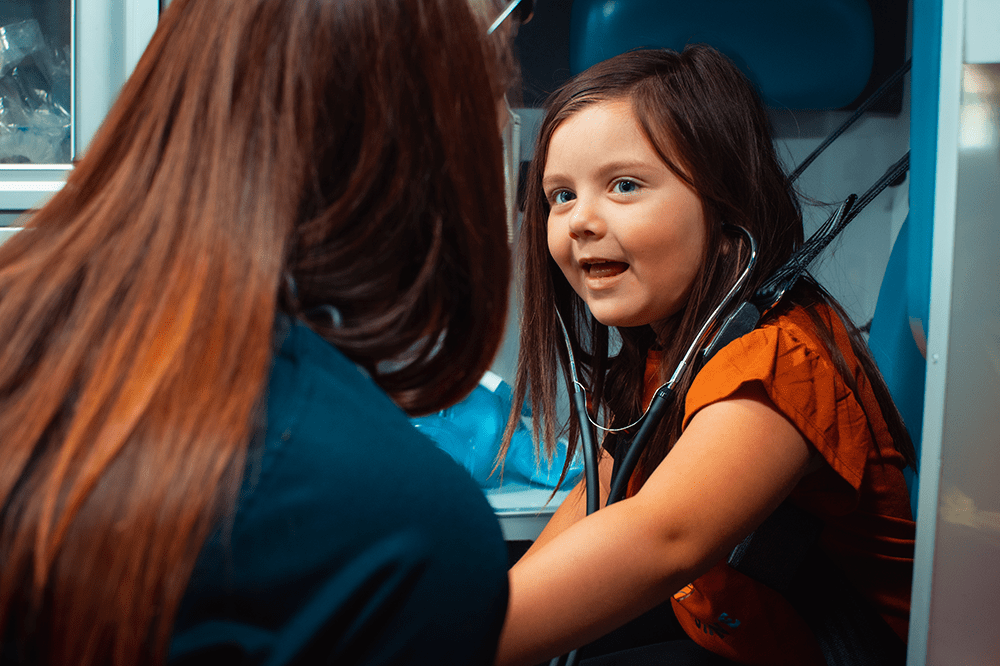
I got the pleasure of meeting Lea a second time while taking pictures for her mom’s edition of Past the Patch. With a bulky camera in my lap, sitting across from a bright eyed little girl underneath the sterile lights of a lively ambulance, I asked her what she wanted to be when she grew up. With a beaming smile that clearly mirrored that of her mother’s, she didn’t miss a beat before proudly boasting, “I want to be an EMT.”


 A.C. Brooke
Leave a reply to The CP Program Honors Recovery Month Through Education – Community Paramedicine Program Cancel reply