

Back In The Driver’s Seat
SPOTLIGHTING JEREMY
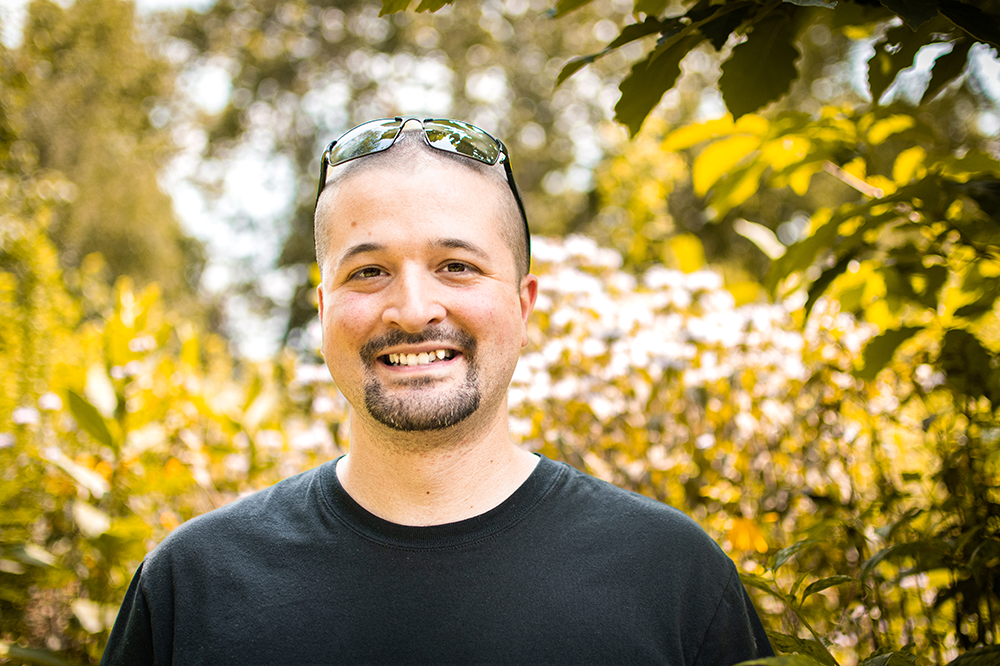
Off to the right of a short tree lined street tucked between two neighborhoods in Lititz, PA sits a small park: a place of the Earth carved out for people looking for peace and quiet. But the serene sounds of a humble stream and the soft sway of pastel patches of wildflowers serves as a stark contrast to the journey of a man who often sits between them. Equipped with pen and paper, it’s here he finds his mind is most still.

Past The White Picket Fence
“I remember as a child feeling depressed a lot. People would ask me why. At the time, I didn’t know why.” A Lancaster native, Jeremy grew up in Willow Street, and from the outside, life looked sublime. His parents had good paying jobs. He and his sister performed well at school. By all standards, they were the picture of suburban bliss. But past the proverbial white picket fence he recalls a very different story of childhood,“I thought it to be hell on earth.”
Jeremy’s mom had told him that depression ran in their family, but there was a lot more than genetics at play. There was a close adult in his life who, he says, was an alcoholic, “and an abusive one at that.”

The discussion surrounding childhood abuse, like the experience itself, is often soaked in shame and secrecy. According to SAHMSA, at least 1 in 7 children in the past year have experienced child abuse and/or neglect. But even this number, they note, is likely an underestimate. Growing up, Jeremy recalls being verbally abused–words which would stick with him, functioning as a breeding ground for negative self-beliefs. But at nine, things would escalate further when the sexual abuse began:“I constantly lived in fear.”
Like many other survivors, it would be years until he found the courage to talk about it–but the trauma would haunt him along the way.

Living Around A Shadow
Over the years, Jeremy was able to compartmentalize the abuse, keeping things below a boiling point. Time would allow him to move out and, from the outside looking in, seemingly ‘move on’. He settled down, got a job and in 2020, had his first child: a baby boy.
But the joy of fatherhood would also rehash old, unhealed wounds. Like many other survivors of abuse–especially men–the idea of being open about the ordeal was daunting. With an experience already unbridled with misplaced feelings of guilt and self-blame, belonging to a demographic frequently urged to “man up” in response to displays of emotional intimacy only served to exasperate the issue: How do you let your guard down to heal when your whole life the world has tried to convince you your self-worth was dependent on how well you kept it up? “[I] thought people would perceive me as weak,” he recalls.
But Jeremy did find the strength to reach out for help. In March of that year, he would begin counseling. However, healing trauma–at least at first–is not the sun setting on the path behind us or letting fresh rain wash our cuts clean. It’s the pouring of peroxide on the wound, the tilling of a hardened Earth. It’s the great and painful purge of a life we built trying to outrun the past.

The Breaking Point
“Counseling opened up a lot of pain,” For Jeremy, trauma therapy was a lot like opening Pandora’s Box. One fateful evening the heartache would be too much to handle.
“I attempted suicide because that seemed like a better option than reliving my past all over again.” But that cold night when Jeremy came close to taking his own life, something got him to stay: the innocent babbling of his young son in the next room. “He saved me that night,” he says of the little boy who he himself once was, “I didn’t want to leave him behind without a dad to grow up with.”
Jeremy ended up spending about a week in the hospital, and the stay conjured up mixed feelings, “On one end, I was proud of myself for seeking help. On the other end, I was scared to death. The only mental hospitals I knew of were the ones I had seen in movies.”
But the stay was, thankfully, much different than what he’d seen on screen. There, Jeremy met daily in small groups with other patients, “It brought me to tears hearing very similar stories to my own and the courage it took for them to share.” Ultimately, it was the vulnerability of his peers that pushed him to speak, too, “Hearing others open up and talk about trauma and personal experiences really inspired me to do the same.”

Back In The Driver’s Seat
After being hospitalized in 2020, things started to look up. In conjunction with the support from his wife, Jeremy found additional comfort in a group called Celebrate Recovery at his church that helped keep him on track during his healing journey, “It’s always exciting going up in front of everyone and saying I’m free from self harm.” To date, he’s received his two year chip.
Jeremy also reentered therapy, this time trying EMDR (Eye Movement Desensitization Reprocessing), a more intensive approach to treating trauma utilizing bilateral stimulation, “I had tried counseling before but it was always on the surface. I felt like my EMDR therapist could see right through the front I was putting up and she helped knock down the walls of pride, shame and guilt that were hindering me.”
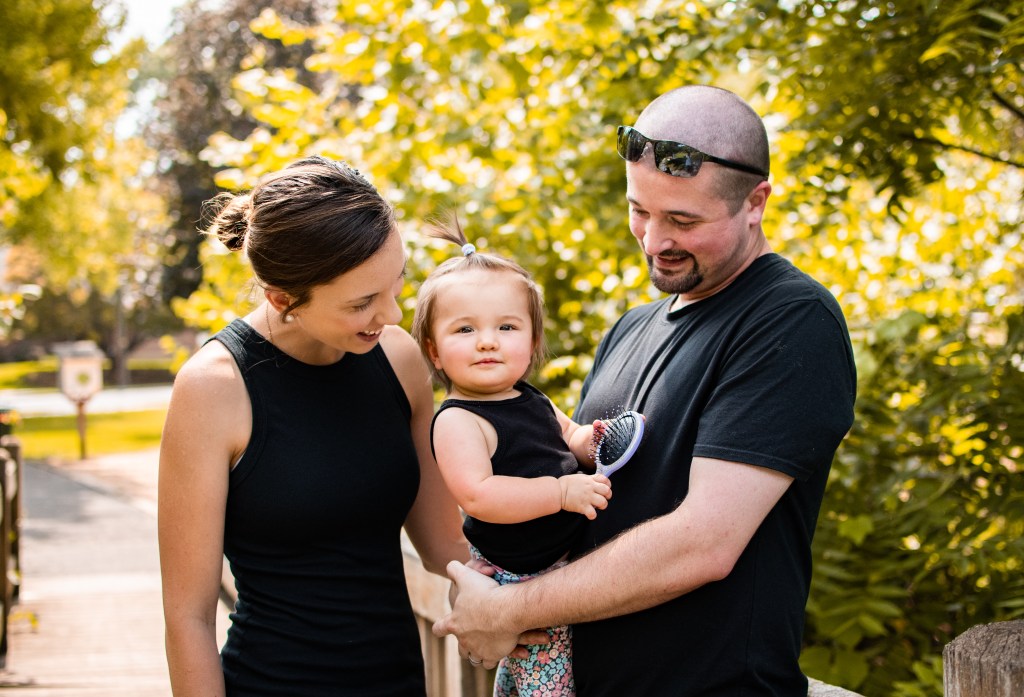
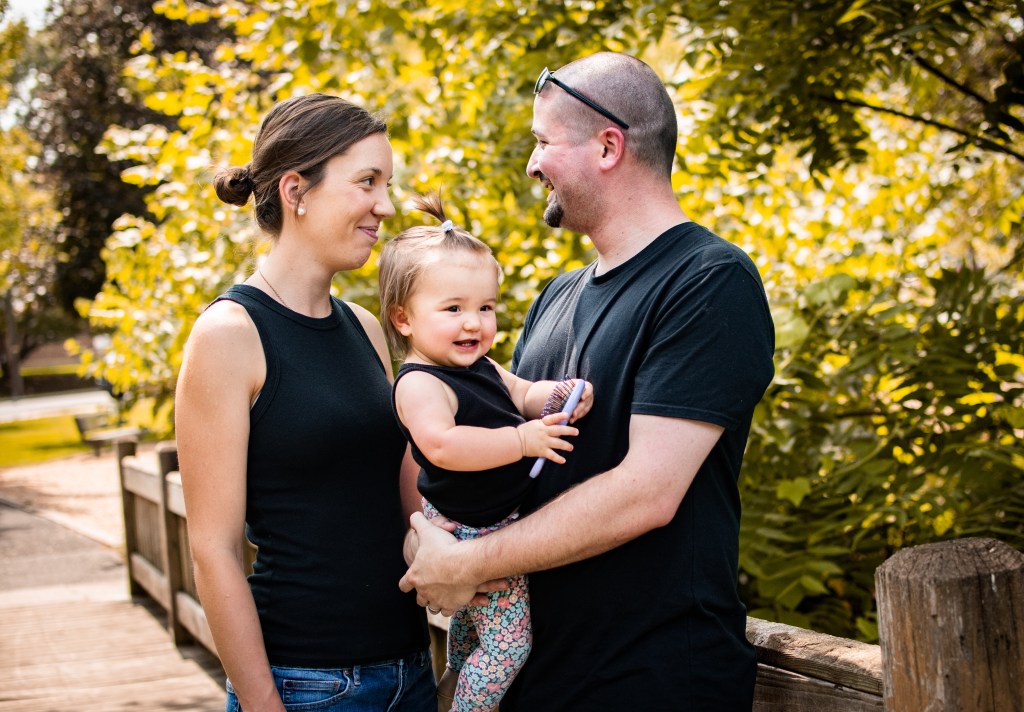
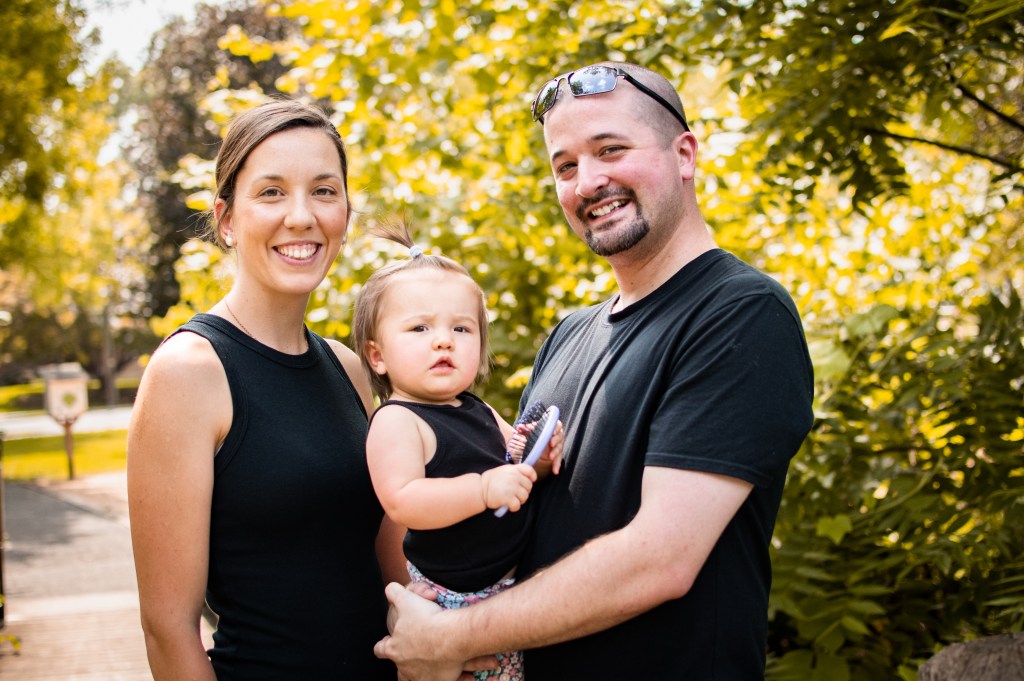
While it’d take a bit more time, the trend of change in his personal life would transition to his professional life as well. Before joining Lancaster EMS, Jeremy worked in food service. But he wanted more out of his work: he wanted to help people. So in 2019, he began as a paratransit attendant. But when the chance to fill in as the company’s mental health sedan attendant arose this past spring–a seemingly perfect fit–he was apprehensive, at least at first.
“I was honestly scared to do this job, as I thought I may have been triggered by being in the sedan again.” But due to staffing shortages, he would eventually begin to pick up open shifts and, ultimately, cross-train. In May, he would take on the role full time. Today, he proudly exclaims it’s the most rewarding job he’s ever had.
“In my role in EMS as a sedan attendant, I now get to help others struggling with their mental health,” he says, “I know I play an important piece in their recovery by transporting them to the next stage of their treatment.” During his time on the clock, not only does Jeremy serve as a driver, but also an active listener, “I often let patients open up to me, as much as they’re comfortable with. If I can be a positive listening ear for the little bit I’m with them in the vehicle, that makes all the difference to me.”
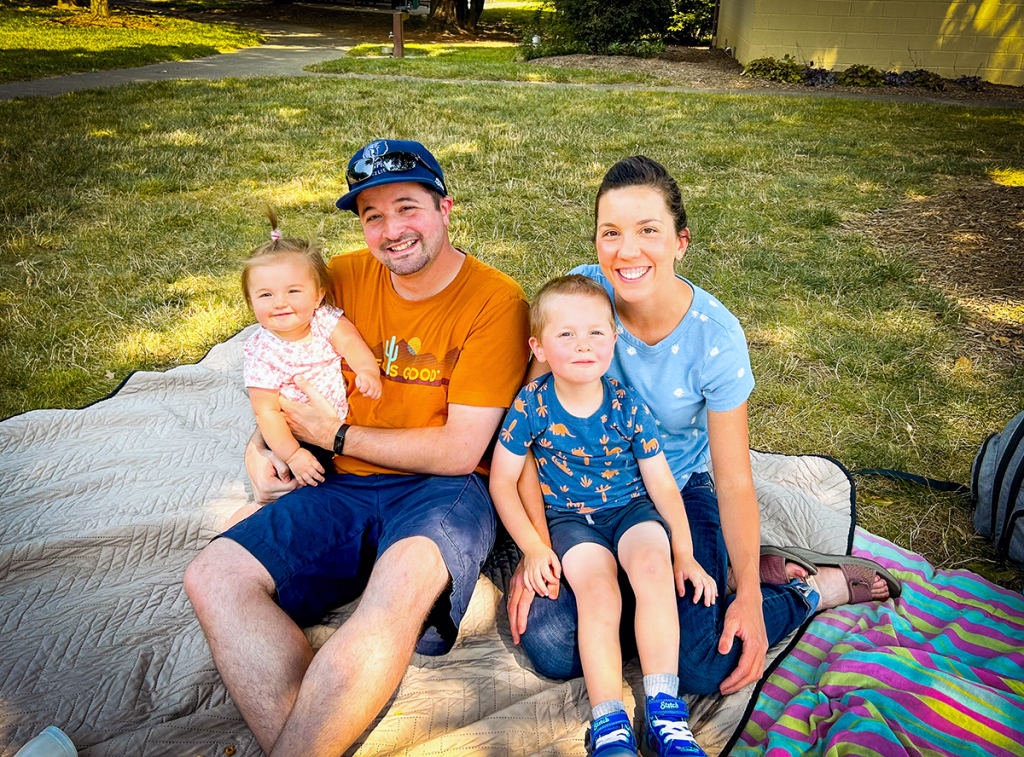


Once the passenger in crisis, Jeremy recognizes not only the poetic beauty in having come full circle for himself, but realizes the power in being a beacon of hope for those struggling with the pain he once did,“I had believed through much of my life that I deserved everything that happened to me.” While he doesn’t subscribe to that anymore, he does believe there is a purpose to his pain, one that he chose to assign: helping other people.
One day a few weeks after we wrapped up the interview, Jeremy stopped by my office to chat. I told him I was close to finishing his story, and asked how he felt about opening up to the world about everything he’d been through. He took a moment before answering, “I was a little bit scared at first, but now,” he nodded his head, an expression of hope on his face, “now, I’m mostly excited.”

 A.C. Brooke
Leave a reply to Highlighting Men’s Mental Health During Suicide Prevention Month – A.C. Brooke Cancel reply